+90 212 264 30 30
+90 212 264 30 30
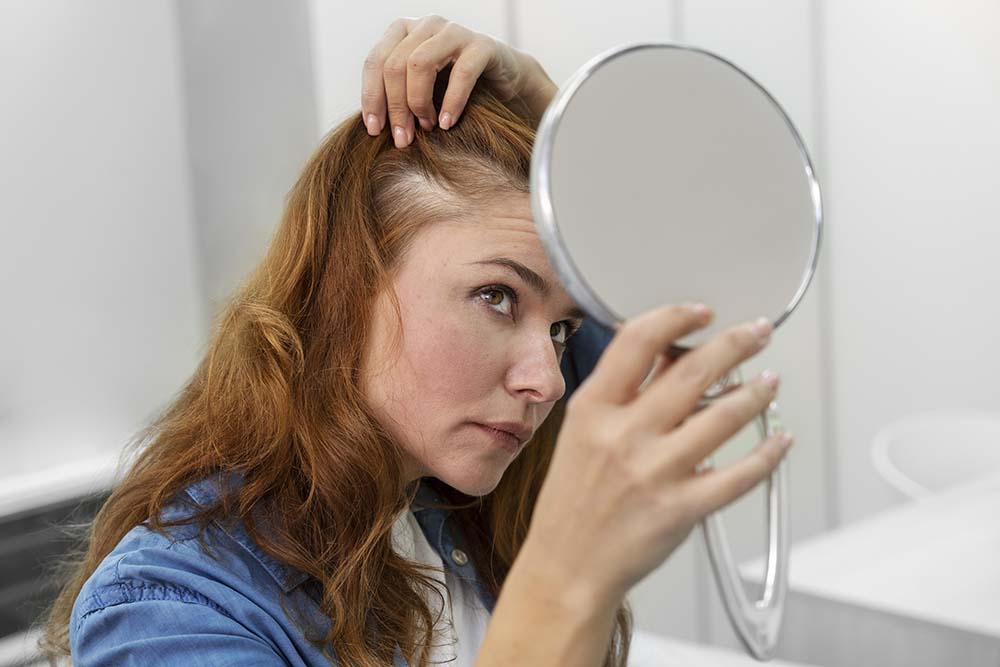
Although hair transplantation is an operation that is mostly performed on men, it is also performed on women when necessary. Causes of female pattern hair loss include malnutrition, stress, and hormonal irregularities. Hair plays a significant role in today's aesthetic forms. Hair loss and baldness are noticed at first glance. This situation negatively affects women psychologically. Female pattern hair loss is successfully treated with hair transplantation.
The hair transplant procedure for women is slightly different from the hair transplant procedures for men. In hair transplantation for men, the hair is completely scraped. Thus, the collection of donors for hair transplantation and the realization of hair transplantation become easier. However, this procedure is not preferred since it can cause aesthetic problems in women. Hair transplantation takes place without shaving the hair. Instead, the hair from the nape is shaved, and hair follicles are collected from this area. In this process, not all of the hair is scraped; only regional donors are collected.
Hair transplantation in women is usually done with the FUE technique. This procedure, performed under local anesthesia, is painless. The hair transplanted in the FUE technique is collected from the nape and transplanted to the bald area one by one. With this technique, a more aesthetic and natural appearance is provided. The operation takes an average of 6-8 hours, and the patients are discharged at the end. Hair transplant operation is usually completed in a single session. The first three hours of the operation consist of removing the hair follicles, opening the channels for one hour, and transferring the roots in the last three hours.
Hair transplantation in women can be performed with the DHI technique apart from the FUE technique. DHI, a newer technique, is considered the most advanced hair transplant method. In the FUE technique, there are three stages, respectively, graft collection, grooving, and grafting. The biggest difference of this technique compared to the FUE method is that hair transplantation can be performed in two stages. In the DHI technique, which stands for Direct Hair transplantation, the grafts collected with the help of special devices called Implanter pen are placed directly into the holes opened in the scalp. Thus, grooving and graft transplantation operations are performed at the same time.
The DHI method gives natural results like the FUE method. In addition, as with the FUE method, it is advantageous for women to not have to shave their hair in the DHI method.
The first hair wash should be done by the physician, two days after the procedure. Medical shampoos prescribed by the doctor are used for subsequent washings. In the first week after the operation, swelling in the forehead and redness and scabs may appear on the nape. These wounds and scabs heal completely in ten days, and the patient can return to her social life.
Wearing hairpins or hats should is not recommended in order not to put pressure on the transplanted area. Until the hair follicles settle and heal in the transplanted area, this area should be treated sensitively and protected from the sun and heat. FUE hair transplantation gives both permanent and natural results. After permanent hair is removed, it is not possible to distinguish it from the real hair.